
-
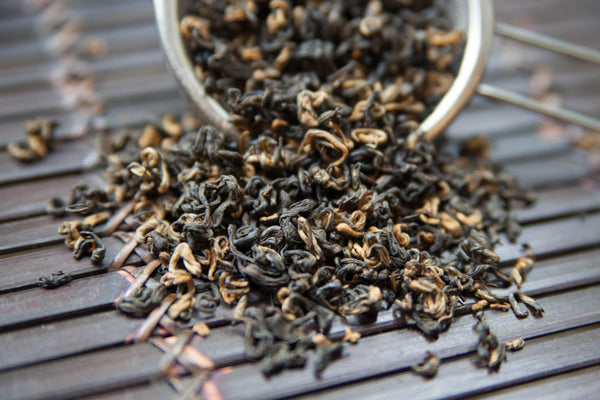
Step 1: Use Good TeaThis almost always means loose leaf tea. There are some reasonably decent tea bag brands- but we don't know of any great (or even very good tea) that comes in a tea bag.
This first step doesn’t necessarily mean expensive tea. There are some excellent teas that can be had for as little as 15 cents per cup, like our Empire Keemun. But buy your tea from trusted vendors.
Keep following along with us this week as we talk about how easy it is to make the perfect cup of tea!
Step 2: Use Good Water
If your water tastes good without tea, chances are it will taste good with tea. And the opposite is true also. Steeped tea is over 95% water, so this matters a lot.
A few tips:
- If your water does taste bad out of the tap, most of those filters available at Target work pretty well: Britta, Pur, etc.
- Avoid distilled water, your tea will taste flat.
- Bottled water and spring waters are usually ok, although keep in mind that Evian is naïve spelled backwards.

Step 3: Measure Your Tea
3 grams per 8 ounces water
For the non-geeky tea drinker, this is about 1 rounded tsp of loose tea. We're talking about a measuring teaspoon, not the teaspoon in your silverware set. That’s why they call it a teaspoon.
If you have an extremely bulky or fluffy tea, we suggest using a heaping tsp or even two teaspoons.
If you have an extremely fine tea, like Classic Iced tea, we would only use 1 level teaspoon. This is because a fine tea has more weight with less volume; while a bulky tea needs more volume to have the same amount of weight.

Step 4: Measure the Water TemperatureIf you’ve ever had green tea that was bitter, chances are the water was way too hot. Water temp. is important; you would never bake a cake 50 degrees hotter or colder than the recipe called for; you should be just as diligent with your tea.
Recommended brewing water temperatures for different tea types. Tea Image Tea Type Recommended Water Temperature 
Black Tea Boiling (212°F)
You can hear and see the bubbles breaking the surface of the water; your kettle should be whistling like crazy.
Dark Tea
(and Puer)200–210°F
Just short of a rolling boil, "fish-eye" bubbles are forming on the surface and the kettle is beginning to hiss.
Oolong Tea 190–203°F
The steam should be strongly coming out of your kettle's spout in a steady column, but bubbles should not be breaking the surface.
Green Tea
(and Yellow)175–185°F
The steam should be coming out of your kettle's spout in a gentle wafting/wisping motion—like steam rising off the frozen surface of a Minnesota lake in February.
White Tea Brewing temperatures vary widely.
Classic steeping is 175°F, when the very first hints of steam begin to rise from the kettle. We have also found that some white teas develop more flavor when brewed at 180–190°F.Basically, the hotter the water-the more flavor chemicals (including any bitter flavors) you will pull into the steep water.
The above are general guidelines, and there are many exceptions. All TeaSource packages come with steeping suggestions on the back. These are just meant to be starting points. Feel free to experiment and find what suits you best.

Step 5: Time Your Steep
Another reason a green tea might turn bitter is it may have been steeped too long.
Basically steep the tea until it tastes good to you. Here are some very general guidelines (and there are lots of exceptions to this).
Recommended steeping times for different tea types. Tea Type Recommended Steeping Time Black Tea 4–6 minutes Dark Tea
(and Puer)10 seconds–10 minutes
Steeping times vary considerably. See our Puer tea preparation guide for detailed recommendations.Oolong Tea 2–4 minutes Green Tea
(and Yellow)1–3 minutes White Tea 1–4 minutes Herbal Tea 4–10 minutes One observation: typically the smaller the tea particles (like Classic Iced Tea) the quicker the tea will infuse and steep. And the larger the leaf particles (like Ceylon Lumbini OPA) the longer the tea will need to steep and infuse.
Step 6: Allow for Full Leaf Expansion
Traditional tea balls make terrible tea because they don’t allow enough room for the leaf to expand.
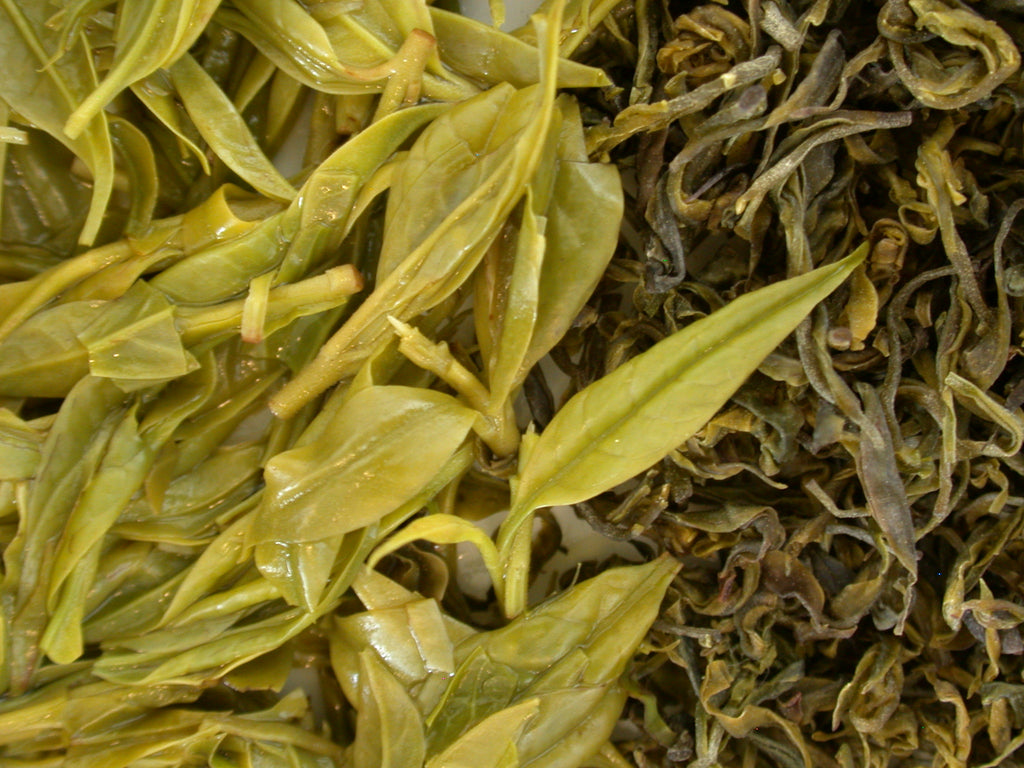
At its most basic, tea is just a dried out leaf. As when you re-hydrate any dried food, that dried food will expand, sometimes dramatically so. Tea leaves will expand 2-5 times in size when they’ve re-hydrated after steeping. You have to allow room for that full leaf expansion, or you will not get the flavor you expect.
Our suggestions:
- If you must use a tea ball; use the largest honking tea ball you can find, even for a single cup.
- Steeping or infusing baskets work great, and they can fit into individual mugs or teapots.
- T-sacs (individual, do-it-yourself tea bags) work great. They are made of unbleached teabag paper, you just put your own tea in them. And then pull them out at the proper time.
The bottom line: use some method that allows the leaf to fully expand during the steeping time.
Brewing loose leaf tea is easy and completely extracts all flavor from the leaves into the liquid.

Step 7: Stop the Steep
You would never leave a cake in the oven for a long period, past the recommended time. Why would you do it with your tea leaves?
If you leave the leaves in the water, they keep putting more and more flavor chemicals into the water (including all the bitter tasting chemicals). Almost all teas will turn bitter if you leave the leaves in the water.
So, using some steeping device or process that allows you to separate the leaves from the liquid at the right time is essential.
- You can simply pour (and strain) off the tea into a second pot or cup at the right time.
- You can use a infusing basket (like the Finum filter) and simply remove the whole basket and leaves at the right time.
- T-sacs are great, because you just pull out the t-sac and the leaves.
- or you can use a really big honking tea ball.
- If your water does taste bad out of the tap, most of those filters available at Target work pretty well: Britta, Pur, etc.
-
We are overwhelmed with all the fabulous entries in our #MyTeaSource photo contest!
Here are our winners....
3rd Place
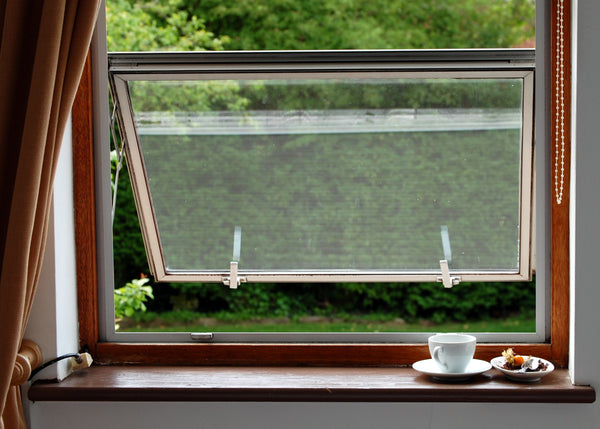
"Afternoon Tea"
Now this has all of us at TeaSource in Minnesota longing for warmer temperatures and green grass...
2nd Place

"Relaxing with Jasmine Silver Needles while the baby sleeps is a treat!"
We are happy to be a part of a quiet moment in this busy mama's life.
1st Place
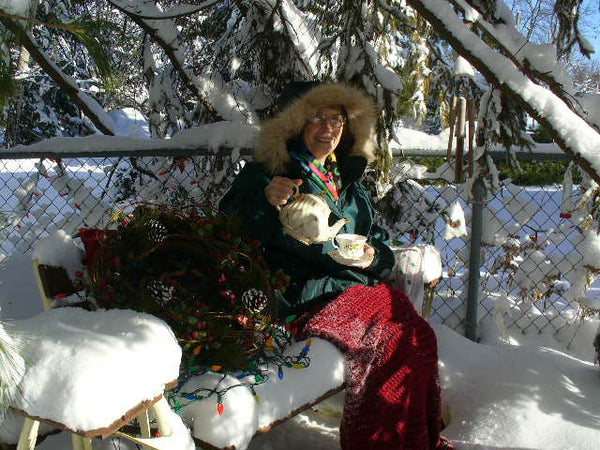
"Tea on my Minnesota Linea"
This tea lover embraces the cold Minnesotan winters for a cup of hot tea. Now that's dedication!
Thank you to everyone who entered, shared, and voted!
-

Stop the Steep
You would never leave a cake in the oven for a long period, past the recommended time. Why would you do it with your tea leaves?
If you leave the leaves in the water, they keep putting more and more flavor chemicals into the water (including all the bitter tasting chemicals). Almost all teas will turn bitter if you leave the leaves in the water.
So, using some steeping device or process that allows you to separate the leaves from the liquid at the right time is essential.
- You can simply pour (and strain) off the tea into a second pot or cup at the right time.
- You can use a infusing basket (like the Finum filter) and simply remove the whole basket and leaves at the right time.
- T-sacs are great, because you just pull out the t-sac and the leaves.
- or you can use a really big honking tea ball.
-

Allow for Full Leaf Expansion
Traditional tea balls make terrible tea because they don’t allow enough room for the leaf to expand.
At its most basic, tea is just a dried out leaf. As when you re-hydrate any dried food, that dried food will expand, sometimes dramatically so. Tea leaves will expand 2-5 times in size when they’ve re-hydrated after steeping. You have to allow room for that full leaf expansion, or you will not get the flavor you expect.
Our suggestions:
- If you must use a tea ball; use the largest honking tea ball you can find, even for a single cup.
- Steeping or infusing baskets work great, and they can fit into individual mugs or teapots.
- T-sacs (individual, do-it-yourself tea bags) work great. They are made of unbleached teabag paper, you just put your own tea in them. And then pull them out at the proper time.
The bottom line: use some method that allows the leaf to fully expand during the steeping time.
Brewing loose leaf tea is easy and completely extracts all flavor from the leaves into the liquid.
-
Time Your Steep
Another reason a green tea might turn bitter is it may have been steeped too long.
Basically steep the tea until it tastes good to you. Here are some very general guidelines (and there are lots of exceptions to this).
Recommended steeping times for different tea types. Tea Type Recommended Steeping Time Black Tea 4–6 minutes Dark Tea
(and Puer)10 seconds–10 minutes
Steeping times vary considerably. See our Puer tea preparation guide for detailed recommendations.Oolong Tea 2–4 minutes Green Tea
(and Yellow)1–3 minutes White Tea 1–4 minutes Herbal Tea 4–10 minutes One observation: typically the smaller the tea particles (like Classic Iced Tea) the quicker the tea will infuse and steep. And the larger the leaf particles (like Ceylon Lumbini OPA) the longer the tea will need to steep and infuse.
Also, be sure to visit us on Facebook for a chance to win a year of free tea!

-
Measure the Water Temperature
If you’ve ever had green tea that was bitter, chances are the water was way too hot. Water temp. is important; you would never bake a cake 50 degrees hotter or colder than the recipe called for; you should be just as diligent with your tea.
Recommended brewing water temperatures for different tea types. Tea Image Tea Type Recommended Water Temperature
Black Tea Boiling (212°F)
You can hear and see the bubbles breaking the surface of the water; your kettle should be whistling like crazy.
Dark Tea
(and Puer)200–210°F
Just short of a rolling boil, "fish-eye" bubbles are forming on the surface and the kettle is beginning to hiss.
Oolong Tea 190–203°F
The steam should be strongly coming out of your kettle's spout in a steady column, but bubbles should not be breaking the surface.
Green Tea
(and Yellow)175–185°F
The steam should be coming out of your kettle's spout in a gentle wafting/wisping motion—like steam rising off the frozen surface of a Minnesota lake in February.
White Tea Brewing temperatures vary widely.
Classic steeping is 175°F, when the very first hints of steam begin to rise from the kettle. We have also found that some white teas develop more flavor when brewed at 180–190°F.Basically, the hotter the water-the more flavor chemicals (including any bitter flavors) you will pull into the steep water.
The above are general guidelines, and there are many exceptions. All TeaSource packages come with steeping suggestions on the back. These are just meant to be starting points. Feel free to experiment and find what suits you best.
Also, be sure to visit us on Facebook for a chance to win a year of free tea!


